
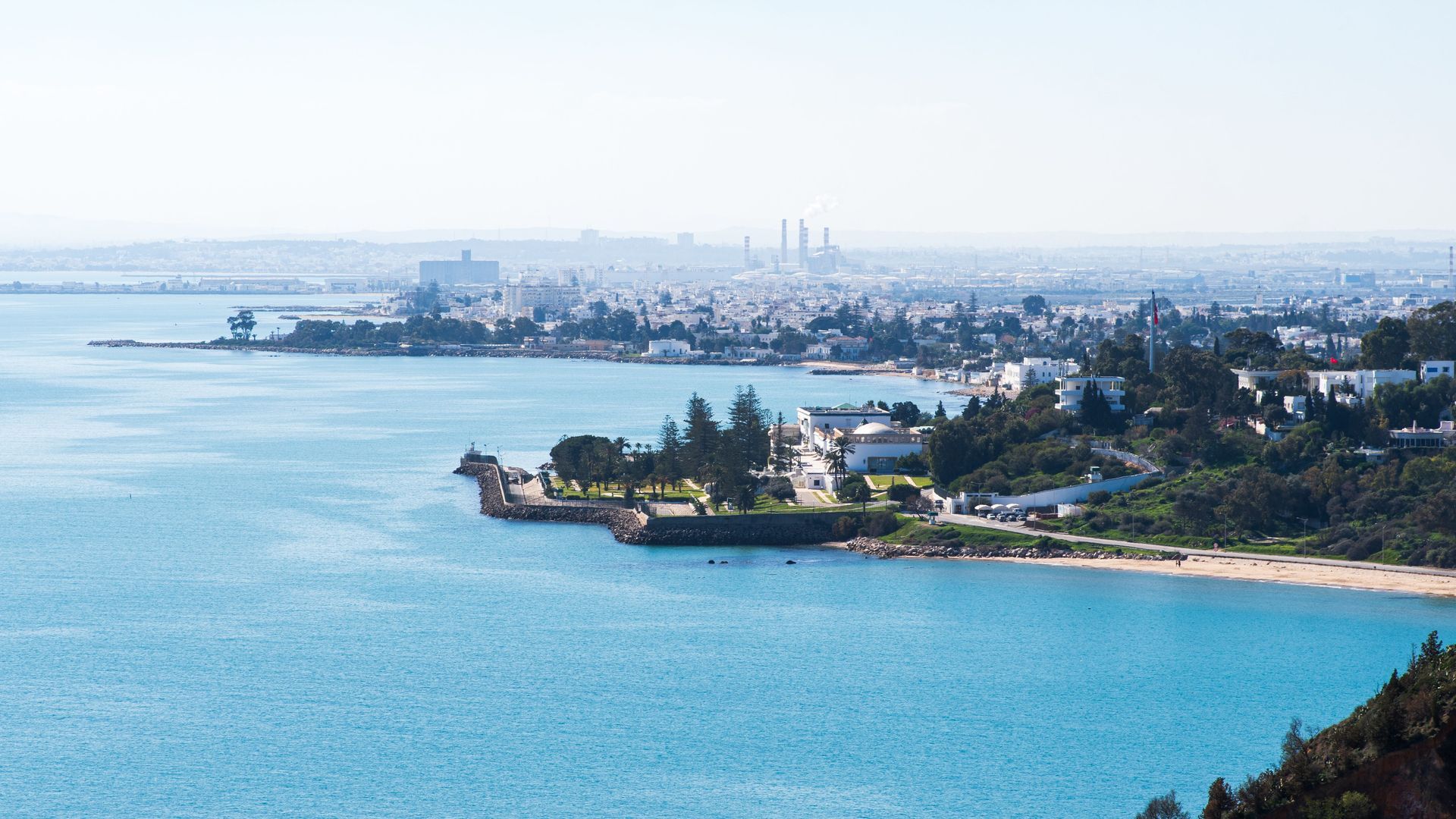
HolidayLawyers has been contacted by holidaymakers following a guest falling ill during a stay at the Nour Palace Resort & Thalasso in Mahdia, Tunisia and subsequently being medically diagnosed with salmonella . The guest stayed at the resort from 29 August to 8 September 2026 on an all inclusive package holiday booked through Sunshine.co.uk. Symptoms of gastrointestinal illness began while the guest was still staying at the hotel and continued after their return to the UK on 8 September. Following medical testing, salmonella was confirmed on 16 September 2026 . The illness has also resulted in the guest being unable to return to work, with a consequent loss of earnings. Previous reports of illness at the Nour Palace HolidayLawyers is investigating the circumstances surrounding the illness and has identified previous public reports from guests referring to gastrointestinal symptoms and concerns about food hygiene at the Nour Palace. Some reviews published during 2026 refer to guests suffering vomiting and diarrhoea and raise concerns about food preparation and temperature. Such reports do not establish the cause of an individual guest's illness. They can, however, be relevant when considered alongside medical evidence, the timing of symptoms and any evidence of similar illness affecting other guests. Confirmed salmonella diagnosis A laboratory confirmed diagnosis of salmonella is an important piece of evidence in a holiday illness claim. Our investigation will consider when symptoms began, the incubation period, food and drink consumed during the holiday, whether the guest ate predominantly within the hotel and whether other guests experienced similar symptoms. Where appropriate, evidence can also be sought concerning reported illness at the resort, food hygiene procedures, inspections and relevant health and safety records. Can a package holiday illness claim be made? Where a holiday was sold as a qualifying package, the package organiser may be legally responsible for the proper performance of the holiday services provided. The precise position depends upon the booking arrangements and documentation, which is why we examine documents including the booking confirmation and ATOL certificate at the outset. Where illness has caused additional financial loss, a claim can potentially include losses such as lost earnings , provided they can be supported by appropriate evidence. HolidayLawyers founder Aman Dhillon comments HolidayLawyers founder and Solicitor Advocate Aman Dhillon said: “A confirmed salmonella diagnosis following illness which began during a holiday deserves proper investigation. “We look at the medical evidence, the timing of the illness, what the client ate and drank, whether other guests were affected and the evidence surrounding conditions at the hotel during the relevant period. “The fact that somebody became ill abroad does not by itself establish liability, but where there is a confirmed bacterial infection and symptoms began during the holiday, there can be strong grounds for further investigation.” Salmonella or food poisoning after a holiday in Tunisia? HolidayLawyers specialises in serious holiday illness and accident claims. Our lawyers have decades of experience dealing with international travel litigation and gastrointestinal illness claims involving hotels and resorts overseas. If you stayed at the Nour Palace Resort & Thalasso in Mahdia , or another hotel in Tunisia, and developed salmonella, gastroenteritis or another significant gastric illness, we can assess the circumstances of your case. We act in appropriate cases under a No Win No Fee agreement , with any potential deductions explained clearly before you decide whether to proceed. Contact HolidayLawyers for a confidential assessment of your holiday illness claim.

Holiday Lawyers has been instructed by a British family following serious gastric illness suffered during a TUI holiday at the Riu Funana Resort in Cape Verde. The family of four travelled to Cape Verde on 27 July 2026 for a ten night holiday. Within the first few days of their stay, members of the family began suffering significant gastric symptoms, including severe diarrhoea and projectile vomiting . One member of the family continues to experience symptoms several weeks after returning to the UK and has provided stool samples to their GP for microbiological investigation. Concerns over food hygiene at Riu Funana Our clients have raised a number of concerns regarding food hygiene and food handling practices at the resort. They report witnessing what appeared to be raw chicken being handled before being returned for further cooking , together with concerns about the possible use of utensils between raw and cooked food. The family also reports that other holidaymakers appeared to be suffering similar gastric symptoms during the same period, including guests vomiting in communal toilet areas. A TUI representative at the resort was also reportedly approached regarding illness affecting guests. At this stage, microbiological investigations remain ongoing and no specific pathogen has yet been confirmed in our clients’ case. Gastric illness suffered abroad can range from a short lived stomach upset to a much more serious bacterial infection. Infections including Salmonella, Campylobacter, Shigella and certain strains of E. coli can cause severe diarrhoea, vomiting, abdominal pain, fever and, in some cases, symptoms which continue for weeks or longer. Where symptoms persist following a return to the UK, stool testing and further medical investigation can be important in identifying the cause of the illness and determining whether a bacterial or other infectious organism is involved. Aman Dhillon, Founder of Holiday Lawyers and Solicitor Advocate, said: “We have been instructed by this family following a significant episode of gastric illness during what should have been an enjoyable family holiday. “The symptoms described to us, including severe diarrhoea and projectile vomiting, are concerning, particularly where symptoms have continued following the family’s return to the UK. “We are also concerned by the accounts we have received regarding the handling of raw chicken and reports that other holidaymakers were suffering similar illness at the resort. “We will now investigate the circumstances fully, including the microbiological evidence and the hygiene standards in place at the hotel, and will seek answers on behalf of our clients.” Holiday Lawyers has acted for thousands of holidaymakers and recovered millions of pounds in damages for people who have suffered serious illness or injury whilst abroad. Our lawyers also have substantial experience of investigating holiday illness in Cape Verde. They have personally visited and inspected hotels in Cape Verde, investigating hygiene standards and the circumstances surrounding illness amongst holidaymakers . Aman has also represented families in some of the most serious holiday illness cases, including cases involving Salmonella infection and fatalities , and has a particular interest in the microbiological evidence arising in food poisoning and gastric illness claims. Have you been ill at the Riu Funana Resort in Cape Verde? Holiday Lawyers would like to hear from anyone who stayed at the Riu Funana Resort in Cape Verde and suffered diarrhoea, vomiting, food poisoning or other gastric symptoms during or shortly after their holiday. Evidence from other guests staying at the resort during the same period can be important when investigating whether illness was an isolated incident or formed part of a wider pattern affecting holidaymakers. If you or a member of your family became ill following a stay at the Riu Funana Resort, contact Holiday Lawyers for a confidential discussion about what happened.
HolidayLawyers has been instructed by a British family following a holiday at Hotel Samira Club Spa and Aquapark in Hammamet, Tunisia , during which members of the family became unwell and they say they experienced serious concerns regarding the condition, cleanliness and safety of the resort. The family booked their package holiday through TUI , paying more than £6,500 . They say that by the end of the trip their overall expenditure had risen to approximately £11,000 , after they incurred significant additional costs including alternative accommodation, meals outside the hotel, taxis and medication. The family eventually moved out of the resort and into a privately rented villa for the final four to five days of their holiday, at a further cost of approximately £800. Family reports illness during Tunisia holiday The family has told HolidayLawyers that several members became ill during their stay. Their young son developed a high temperature and tonsillitis and required medical treatment and antibiotics. The family says that when he became particularly unwell overnight, the hotel doctor was not available until the following morning. Their 18 year old daughter is also reported to have developed significant gastrointestinal symptoms, including diarrhoea severe enough that she was unable to leave the toilet and missed a planned excursion. Other family members developed chesty coughs during the holiday. The family says that once illness developed they no longer felt comfortable eating at the hotel and instead relied partly upon crisps and biscuits and ate meals at restaurants away from the resort. HolidayLawyers is now investigating the circumstances surrounding the illnesses, including the family’s concerns about food hygiene and the general conditions they say they encountered at the hotel. Concerns over food and hygiene The family has reported a number of alleged hygiene issues at Hotel Samira Club Spa and Aquapark. They say flies were regularly present around food service areas and that they became sufficiently concerned about the food that they stopped eating at the resort. The mother, who is vegetarian, also says there was inadequate information identifying the contents of dishes, leaving her to check food herself to establish whether it contained meat. She has further reported concerns regarding cleaning practices within the accommodation, including an allegation that the same microfibre cloth appeared to be used to clean different areas. The family says their room was in such poor condition on arrival that the mother felt compelled to clean it herself before the family could sleep there. They have also reported mould above a wardrobe, concerns regarding the cleanliness of mattresses and bedding, old and poorly maintained air conditioning and gaps underneath external bungalow doors which allowed insects and ants to enter. Accommodation allegedly very different from advertised photographs The family describes the accommodation as old, dirty and in poor condition and says it was significantly different from the impression given by photographs seen before travelling. Further problems allegedly included poor water pressure, electrical sockets which did not operate properly, Wi-Fi problems and power cuts. One power cut was particularly concerning for the family because it occurred while their young son was suffering from a high temperature and they were unable to use the air conditioning to help keep the room cool. Safety and welfare concerns The family has also raised concerns regarding safety around the resort. They report that a swimming pool area was at one stage taped off using red and white tape which they considered inadequate, while a water slide was allegedly blocked with tables when not in operation. They have also raised concerns regarding lifeguard supervision. In addition, the family says they felt uncomfortable about the conduct of some male members of staff towards female members of the family, including their daughter. The mother says she complained to TUI while still at the resort and was concerned when the substance of her complaint was then raised directly with the hotel. She says this left her feeling particularly uncomfortable because her complaints included concerns about the behaviour of hotel staff and the family still had to remain at the resort. These matters form part of the allegations the family has asked HolidayLawyers to investigate. Family incurred thousands of pounds in additional expenditure Although the original holiday cost a little over £6,500, the family estimates that their overall expenditure connected with the trip reached approximately £11,000. The additional expenditure is said to include approximately £800 for a private villa, restaurant meals after the family stopped eating at the hotel, medication and additional taxi costs. They also say they were required to pay hotel tax separately. HolidayLawyers will consider these financial losses alongside any potential claim arising from illness, loss of enjoyment and the alleged failure to provide the holiday which the family says it had been promised. “A family holiday should not end with people becoming ill and having to pay to move elsewhere” Aman Dhillon, Founder and Solicitor Advocate at HolidayLawyers, said: “We have now been instructed by this family and will be investigating carefully what happened during their stay at Hotel Samira Club Spa and Aquapark in Hammamet. “What is particularly concerning is the combination of issues being reported. This is not simply an allegation that the family did not like their hotel room. We have reports of illness affecting several members of the family, concerns regarding food and cleaning standards, mould and insects within the accommodation, problems with basic facilities and ultimately a decision to leave the resort and pay for alternative accommodation. “A family spending more than £6,500 on a package holiday is entitled to expect proper standards of accommodation, hygiene and safety. A holiday should not end with family members becoming ill and having to spend hundreds or potentially thousands of pounds simply to move somewhere they feel comfortable staying. “We will now obtain and review the available medical evidence, photographs, videos, booking documentation, complaints and evidence of the family’s additional expenditure before advising them upon the claim.” Illness and hotel claims in Tunisia HolidayLawyers acts for holidaymakers who suffer serious illness, injury or other significant problems during package holidays abroad. Our lawyers have decades of experience representing thousands of holidaymakers and recovering millions of pounds in compensation , including claims arising from outbreaks of gastrointestinal illness, salmonella and other infectious diseases at hotels and resorts overseas. Particular care needs to be taken where an illness continues after a holiday. Gastrointestinal infections can in some cases lead to longer term symptoms including post infectious IBS, altered bowel habits and fatigue. It is therefore important that holidaymakers experiencing continuing symptoms seek appropriate medical attention and preserve evidence relating to both the illness and the circumstances at the hotel. Useful evidence can include: photographs and videos of the hotel, accommodation and food areas; medical records and details of medication; receipts for additional accommodation, meals, transport and treatment; correspondence with the tour operator or hotel; details of other guests who became ill; and copies of the original booking information and advertisements. Were you ill at Hotel Samira Club Spa and Aquapark in Hammamet? HolidayLawyers would like to hear from any other guests who stayed at Hotel Samira Club Spa and Aquapark, Hammamet, Tunisia , and experienced significant gastrointestinal illness or similar concerns. Evidence from other holidaymakers staying at the same resort at or around the same time can be important when investigating how an illness occurred. If you or a member of your family became seriously ill during a package holiday in Tunisia, Turkey, Cape Verde, the Caribbean or elsewhere overseas, our specialist holiday illness lawyers can advise you on whether you may have a claim. HolidayLawyers can act in appropriate cases on a No Win, No Fee basis , with our deduction from compensation capped at a maximum of 25% . Contact HolidayLawyers to speak to a specialist member of our team.
Concern grows as holidaymakers report hospital treatment and continuing symptoms after stays in Cape Verde, Turkey, the Caribbean and other popular destinations. HolidayLawyers has seen a significant increase in enquiries from holidaymakers who say they have been hospitalised after contracting serious bacterial and parasitic infections while travelling abroad. The specialist holiday illness law firm has been contacted by people returning from popular destinations including Cape Verde, Turkey and resorts across the Caribbean, as well as other destinations throughout Europe, North Africa and the Mediterranean. Aman Dhillon, Founder and Solicitor Advocate at HolidayLawyers, says a growing number of those contacting the firm are not describing a short lived stomach bug, but severe illness involving hospital admission, intravenous treatment, prolonged symptoms and, in some cases, continuing health problems after returning to the UK. The enquiries include holidaymakers diagnosed with or suspected of suffering from infections such as Salmonella, E. coli, Cryptosporidium, Cyclospora, Shigella and other gastrointestinal pathogens. Aman said: “We are becoming increasingly concerned by the seriousness of some of the cases being brought to us.” “These are not simply people who have had an upset stomach for a day or two. We are speaking to holidaymakers who have required hospital treatment, have been unable to fly home, have needed further treatment after returning to the UK and, in some cases, remain unwell weeks or months later.” “We are seeing enquiries involving holidays in destinations including Cape Verde and Turkey, as well as resorts throughout the Caribbean.” “When somebody becomes seriously ill while staying at a hotel or resort abroad, it is important that the cause of the illness is properly investigated rather than simply assuming it will resolve.” Serious illness at hotels and all inclusive resorts Many of the enquiries received by HolidayLawyers involve guests staying at all inclusive hotels and resorts, where large numbers of holidaymakers may eat from the same restaurants, buffets and food preparation areas or use shared swimming pools and other facilities. Where several guests become ill during the same period, this can be particularly important when investigating the potential source of an infection. HolidayLawyers has extensive experience investigating illness at hotels and resorts abroad and has previously undertaken inspections of hotel and food hygiene conditions in destinations including Cape Verde. The firm also deals with enquiries arising from holidays in Turkey, where large all inclusive resorts remain particularly popular with British holidaymakers, and from destinations throughout the Caribbean, including claims involving serious gastrointestinal illness following hotel stays. Potential sources of infection can include contaminated food or water, inadequate food handling or temperature control, poor hygiene practices and contaminated swimming or recreational water. Serious holiday illness can continue long after the holiday ends Foodborne and waterborne infections can cause severe acute symptoms including diarrhoea, vomiting, abdominal pain, fever and dehydration. For some patients, however, recovery does not end when the initial infection clears. HolidayLawyers regularly considers cases involving longer term gastrointestinal symptoms, fatigue and post infectious irritable bowel syndrome [PI IBS], as well as cases where further medical investigation is required because symptoms have persisted. Aman said: “One of the mistakes people sometimes make is assuming that once the infection itself has passed, the claim is simply about the week or two when they were acutely ill. That is not necessarily the case.” “The longer term consequences of serious gastrointestinal infection can be extremely important, both medically and when assessing the value of a compensation claim. It is why we place considerable emphasis on obtaining appropriate medical evidence rather than treating every holiday illness case in the same way.” Hospitalised after becoming ill in Cape Verde, Turkey or the Caribbean? HolidayLawyers acts for people who have suffered serious illness following stays at hotels, all inclusive resorts, package holidays and cruises. The firm can investigate claims involving holidays to Cape Verde, Turkey, the Caribbean and other destinations abroad, including cases involving contaminated food or water, poor hygiene controls and outbreaks affecting multiple guests. Important evidence can include medical and hospital records, stool sample and laboratory results identifying the pathogen, photographs or videos of hotel conditions, reports of other guests becoming ill, complaints made to the hotel or tour operator, receipts for additional expenses and evidence that somebody was medically unable to fly home. Aman said: “In serious cases, the medical evidence can be critical.” “We have acted for people across the full spectrum of holiday illness claims, including very serious Salmonella infections and, tragically, for families who have lost loved ones following infection.” “When somebody has been hospitalised, or continues to suffer symptoms after returning home, the case deserves to be investigated properly.” Specialist holiday illness solicitors HolidayLawyers specialises in claims arising from accidents and illness abroad. Its lawyers have decades of experience representing thousands of injured and ill holidaymakers and recovering millions of pounds in compensation. The firm acts on a No Win No Fee basis in appropriate cases, with a maximum deduction from damages of 25 percent. Anyone who has been hospitalised or seriously ill after a holiday in Cape Verde, Turkey, the Caribbean or elsewhere abroad, including those diagnosed with Salmonella, E. coli, Cryptosporidium, Cyclospora, Shigella or another gastrointestinal infection, can contact HolidayLawyers for an initial discussion about their case. Hospitalised after serious illness abroad? Contact HolidayLawyers to discuss your case with a specialist holiday illness lawyer.
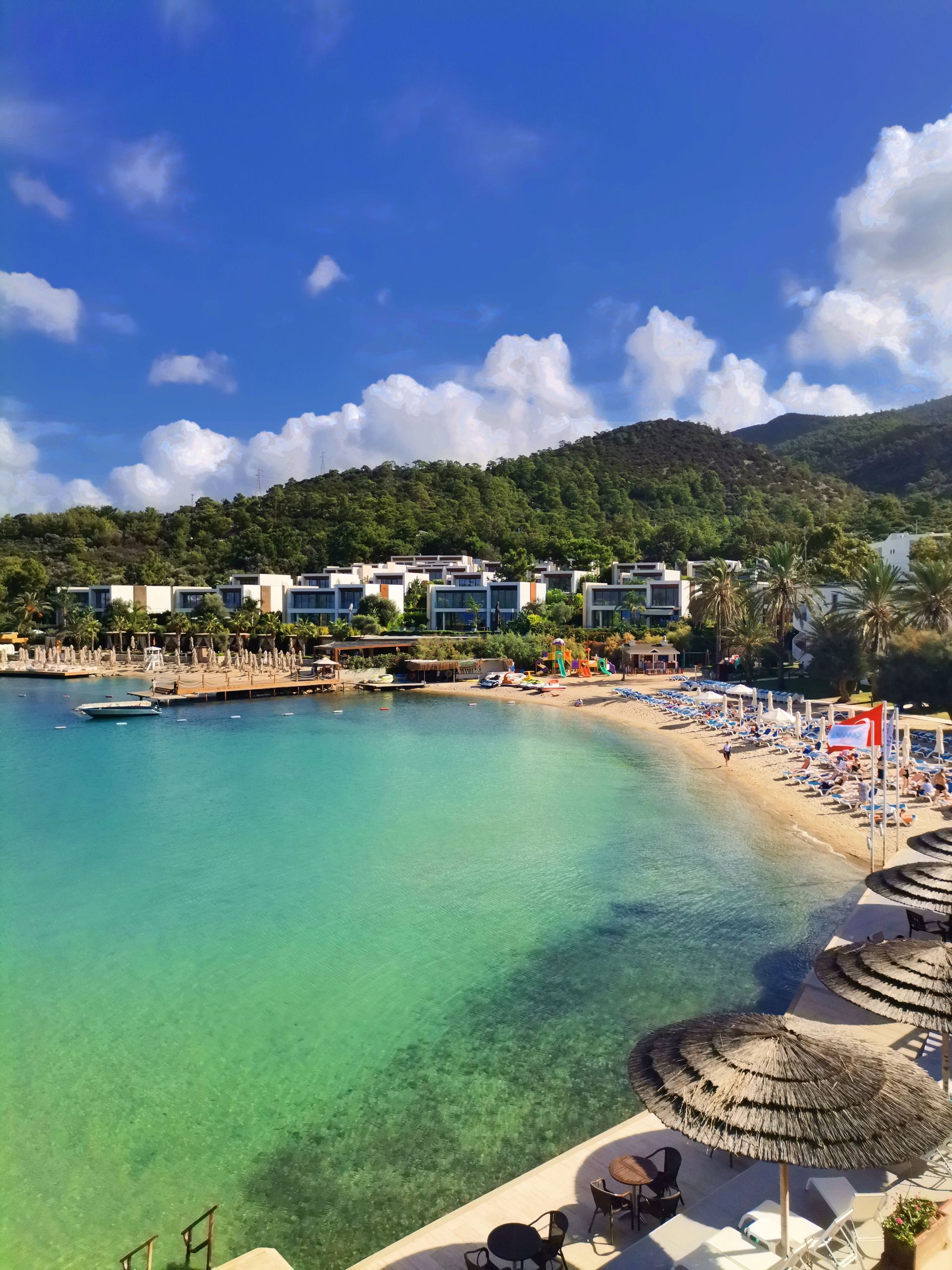
Holiday Lawyers have been instructed by a family following a serious outbreak of illness during a package holiday to Turkey. The family of five travelled to a resort in Turkey on a package holiday. All five members of the family became unwell during the holiday, with symptoms sufficiently severe that three members of the group required hospital treatment. Two members of the family became so unwell that they were unable to take their scheduled flight home and had to remain in Turkey, where they required hospitalisation and further medical treatment. A third member of the family required hospital treatment following their return to the United Kingdom. The family believe that their illnesses may have originated from the swimming pool at the resort and concerns have been raised regarding the hygiene and maintenance of the pool facilities. Swimming pools which are not properly treated, maintained and monitored can provide a route for the transmission of gastrointestinal infections. Bacterial, viral and parasitic pathogens can potentially be spread through contaminated recreational water. Holiday Lawyers are now investigating the circumstances surrounding the family’s illnesses, including the hygiene standards at the resort, the management and treatment of the swimming pool and whether other guests were affected during the same period. Aman Dhillon, Solicitor Advocate and Founder of Holiday Lawyers, said: “We have been instructed by a family of five, all of whom became ill during their holiday, with three members of the family requiring hospital treatment. “Two were so unwell that they could not fly home and had to remain in Turkey for treatment. Another member of the family subsequently required hospital treatment in the UK. “These are clearly very concerning circumstances. We will now investigate the standards of hygiene at the resort, including the family’s concerns surrounding the swimming pool, and whether there is evidence of a wider outbreak amongst guests. “I have personally acted for thousands of clients who have stayed at Turkish resorts and subsequently pursued claims arising from illness suffered during their holidays. As part of that work, I have also personally inspected resorts in Turkey in connection with food hygiene standards and the circumstances giving rise to outbreaks of illness. “That experience gives us a detailed understanding of the hygiene issues which can arise at overseas resorts and the evidence which needs to be examined when investigating cases of this nature.” Our lawyers have decades of experience acting for thousands of people who have suffered illness or accidents abroad, recovering millions of pounds in damages. This includes some of the most high profile international litigation such as the largest illness class actions ever brought in the UK, the Costa Concordia and the salmonella outbreak. Holiday Lawyers specialise in claims arising from serious illness and injury suffered overseas, including claims involving hotels, tour operators and package holidays. Anyone who has recently stayed at a resort in Turkey and experienced serious gastric illness or required medical treatment is invited to contact Holiday Lawyers for advice.
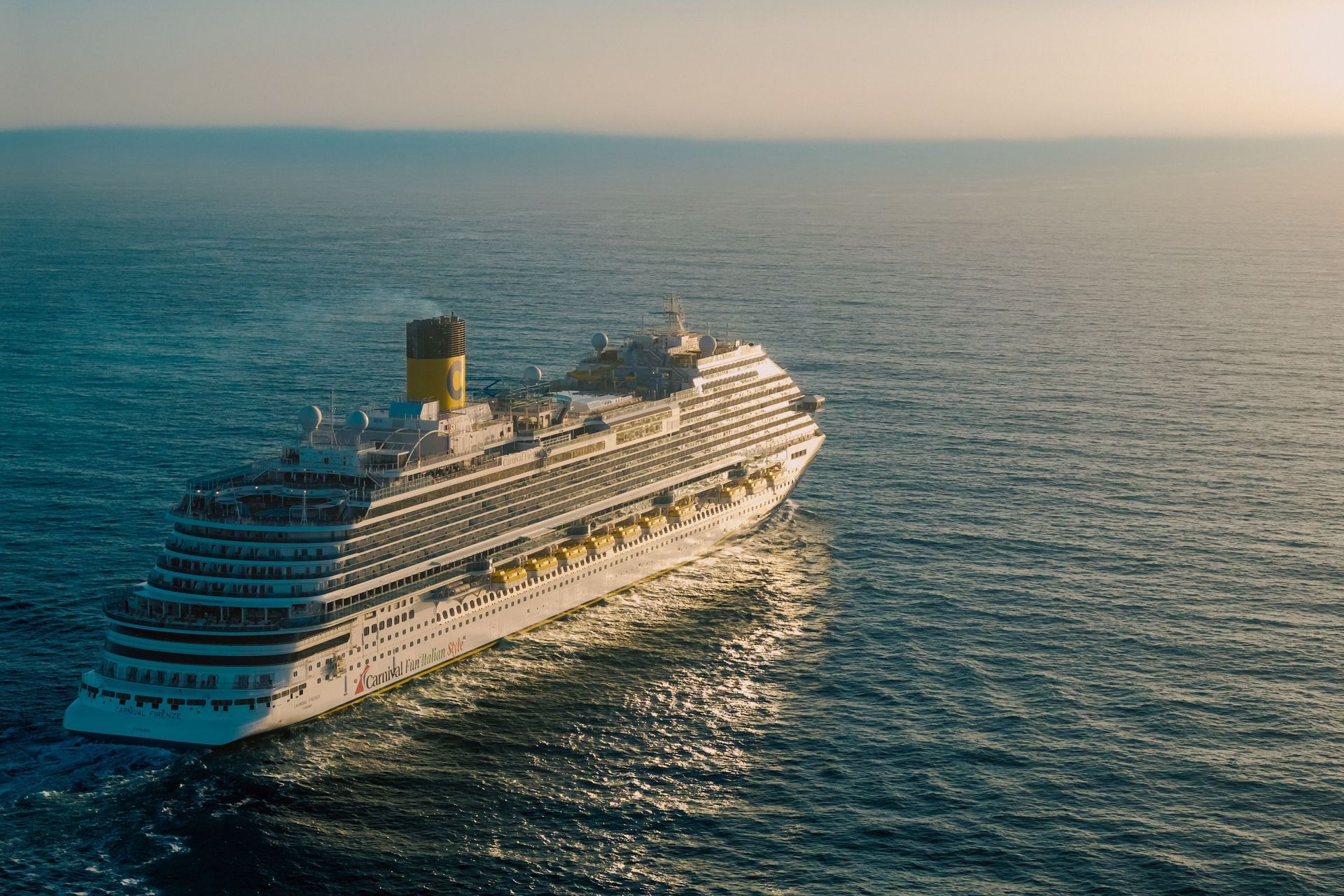
Holiday Lawyers has been instructed to investigate a claim on behalf of a passenger who became seriously unwell with a confirmed Shigella infection during an all inclusive TUI river cruise in January 2026. Our client developed gastrointestinal symptoms while travelling and subsequently sought medical assistance. She has supporting evidence from her GP together with laboratory test results confirming that she contracted Shigella. Despite this medical evidence, TUI has so far declined to accept responsibility for the illness. What is Shigella? Shigella is a highly infectious bacterial infection affecting the digestive system. The illness it causes is known as shigellosis or bacillary dysentery. According to the UK Health Security Agency, symptoms can include: Diarrhoea, which may contain blood Severe stomach cramps Fever Nausea and vomiting Headaches Loss of appetite Symptoms commonly begin between one and three days after exposure, although it can take up to a week for a person to become unwell. While many people recover within several days, the illness can last for up to two weeks and some patients require hospital treatment. Shigella is not simply another name for food poisoning. It is a specific bacterial infection which can be transmitted through contaminated food or water, contact with contaminated surfaces or direct person to person transmission. Only a very small quantity of the bacteria is required to cause infection. Illness aboard cruise ships and river cruises Cruise holidays can present particular infection control challenges because large numbers of passengers and crew share dining facilities, toilets, communal areas and frequently touched surfaces. Where appropriate hygiene and infection control procedures are not followed, an infectious organism may spread rapidly. Important measures can include: Effective handwashing facilities Proper cleaning and disinfection of communal areas Safe food preparation and storage Appropriate management of drinking water Prompt isolation of passengers or crew displaying symptoms Accurate recording and reporting of illness Enhanced cleaning following reports of gastrointestinal symptoms An individual case must always be investigated on its own evidence. Relevant material may include medical records, laboratory results, the timing of symptoms, food and excursion histories, hygiene documentation and evidence of similar illness among other passengers or crew. TUI has denied responsibility Our client initially approached TUI directly but was unable to resolve the matter. She also sought assistance from her travel insurer and ABTA before instructing Holiday Lawyers. We are now investigating the circumstances in which she became infected, the hygiene and infection control arrangements operating during the cruise and whether other passengers experienced similar symptoms. TUI’s present refusal to accept responsibility does not determine whether a viable legal claim exists. Tour operators frequently dispute holiday illness claims at an early stage, even where a passenger has clear medical evidence confirming the organism responsible. Where a cruise forms part of a package holiday, the tour operator may be legally responsible for the proper performance of the travel services included within the package under the Package Travel and Linked Travel Arrangements Regulations 2018. “Laboratory confirmation is important evidence” Aman Dhillon, Founder of Holiday Lawyers and a specialist international travel lawyer, said: “We have been instructed by a passenger who has laboratory evidence confirming that she contracted Shigella following illness during an all inclusive TUI river cruise. “Shigella can cause a severe and extremely unpleasant illness. It is also highly infectious and can be transmitted through contaminated food or water, contaminated surfaces or person to person contact. “The fact that a tour operator has declined to accept responsibility does not bring the matter to an end. We will now investigate the evidence surrounding the infection, the hygiene arrangements aboard the cruise and whether there were reports of illness affecting any other passengers.” Aman has acted for thousands of clients affected by illness abroad and has recovered millions of pounds in damages on their behalf. Unlike volume law firms, Holiday Lawyers is a specialist practice focused on helping people who have become seriously unwell while on holiday. Every case receives specialist attention and Aman remains personally involved in the strategic and technical conduct of each claim. Were you ill on the same TUI river cruise? Holiday Lawyers would like to hear from anyone who travelled on a TUI river cruise in January 2026 and developed diarrhoea, vomiting, stomach cramps, fever or other gastrointestinal symptoms. Evidence from other passengers may help establish whether there was a wider pattern of illness aboard the vessel. If you became unwell during or following a TUI cruise, contact Holiday Lawyers for a free initial assessment. We may be able to investigate your case under a no win, no fee agreement. Contact Holiday Lawyers today to discuss your potential holiday illness claim.

A major Salmonella outbreak affecting people across the UK has resulted in 207 confirmed cases, dozens of hospital admissions and one death , according to the UK Health Security Agency (UKHSA). The outbreak is being investigated by UKHSA and the Food Standards Agency, with the strongest evidence identified so far pointing towards egg consumption and potentially eggs imported from outside the UK . Holiday Lawyers founder Aman Dhillon , a Solicitor Advocate who represented victims of the major imported egg Salmonella outbreak in 2014, is urging anyone seriously affected by the latest outbreak to preserve evidence and seek specialist advice. The official UKHSA outbreak report was published on 18 August 2026. The outbreak has also been widely reported nationally, including by Sky News and ITV News . What do we know about the latest Salmonella outbreak? According to UKHSA, 207 confirmed cases of Salmonella Enteritidis associated with the outbreak have been identified between 11 August 2025 and 1 August 2026. Of these: 199 cases are in England 6 are in Scotland 1 is in Wales 1 is in Northern Ireland 47 cases are in London 38 cases are in Yorkshire and the Humber 38% of those for whom information was available were admitted to hospital Two people developed bloodstream infections One death has been associated with the outbreak Those affected range from babies to people aged 90. UKHSA says whole genome sequencing has shown that the confirmed cases belong to the same genetic cluster, indicating a common source of contamination . Investigators have interviewed more than 100 people affected by the outbreak. A significant proportion reported eating food prepared outside their home before becoming ill. UKHSA says the evidence surrounding egg consumption is currently the strongest signal identified during the investigation . Food chain investigations have established that some of the premises concerned received eggs from several sources, including egg importers . At present, UKHSA says that no link has been identified with UK produced eggs or poultry . The similarities with the 2014 imported egg Salmonella outbreak The circumstances will be particularly familiar to Aman Dhillon. In 2014, while a partner and Head of the Public Health team at Irwin Mitchell, Aman represented 28 people who contracted Salmonella after eating at The Real China restaurant in Eastleigh, Hampshire . The restaurant cases formed part of a much wider national Salmonella outbreak associated with eggs originating from Germany. The group represented by Aman ultimately recovered a £275,000 settlement . The settlement and his involvement in the case were reported at the time by The Caterer and FarmingUK . The wider 2014 outbreak, which affected almost 250 people in Britain and was investigated in connection with a single source of eggs, was also reported by The Guardian . Aman said: “The parallels with 2014 are striking. Then, as now, the evidence pointed towards imported eggs and ordinary consumers became seriously ill simply as a result of eating food they believed was safe. “What is particularly concerning about the present outbreak is the severity being reported. More than one in three of those for whom information is available required hospital admission, two people developed bloodstream infections and one death has been associated with the outbreak. “Confirmed cases are also unlikely to represent every person affected. Many people who develop gastric illness never provide a stool sample and their illness is therefore never laboratory confirmed. “Anyone who believes they may have been affected should preserve their medical records, receipts, booking information and any other evidence identifying where and what they ate. This is particularly important for anybody who required hospital treatment or received a confirmed Salmonella diagnosis.” What are the symptoms of Salmonella? Salmonella commonly causes gastrointestinal illness. Symptoms can include: diarrhoea stomach cramps nausea vomiting fever or a high temperature Symptoms will often develop within a few days of exposure to contaminated food. For many people the illness resolves without significant medical treatment. In more serious cases, however, Salmonella can lead to dehydration, hospitalisation and invasive infection. Bloodstream infections and sepsis are among the potentially serious complications identified by UKHSA, particularly among vulnerable individuals. Can you claim compensation after contracting Salmonella? Where Salmonella has been contracted because contaminated food was supplied by a restaurant, hotel, takeaway, caterer or other food business, those affected may have grounds to pursue compensation. Every case depends upon its individual circumstances and establishing the likely source of infection can be crucial. Evidence can include: stool sample results confirming Salmonella GP and hospital records receipts and bank or card transactions restaurant bookings photographs of meals information about what was eaten details of others who ate at the same premises and became ill public health or environmental health investigations In a significant outbreak, evidence from numerous individuals can help establish a pattern and identify a common source. Specialist Salmonella and food poisoning lawyers Aman Dhillon has approximately 20 years’ experience acting in food poisoning and serious illness cases. He previously founded and headed the Public Health team at Irwin Mitchell and has represented thousands of people affected by illness outbreaks in the UK and overseas, including large group actions arising from Salmonella and other foodborne pathogens. He now leads Holiday Lawyers , a specialist practice representing people affected by food poisoning, holiday illness and serious illness outbreaks both within the UK and abroad. Commenting on the latest investigation, Aman added: “Food businesses and those responsible for placing food into the supply chain have important legal responsibilities concerning consumer safety. “In 2014 we were able to secure compensation for a group of people affected by an outbreak connected with imported eggs. The priority now must be to establish precisely what has caused this outbreak and ensure that those responsible are held accountable where the evidence supports it. “Above all, there is now a family who have lost somebody in circumstances associated with this outbreak. That demonstrates why food safety and proper investigation of outbreaks such as this matter so much.” Have you been affected by the UK Salmonella outbreak? If you have been diagnosed with Salmonella , required hospital treatment following serious gastrointestinal illness, or believe your illness may be connected with the current outbreak, Holiday Lawyers can provide specialist advice . Our lawyers have extensive experience investigating both individual food poisoning claims and major group outbreaks. Contact Holiday Lawyers today to discuss your case. www.holidaylawyers.co.uk
Holiday Lawyers has been instructed to investigate a potential holiday illness claim after a nine year old boy was hospitalised for three nights with acute gastroenteritis following a Jet2 package holiday to the Calista Luxury Resort in Belek, Turkey. The child became seriously unwell during the family’s stay and required admission to hospital, where he underwent blood and stool testing, received intravenous fluids and antibiotic treatment before eventually being discharged. The family has retained comprehensive medical records, hospital reports and invoices relating to the illness, and has now instructed Holiday Lawyers to advise on a potential claim. Amandeep Dhillon, Founder of Holiday Lawyers, said: “Every parent dreads seeing their child become seriously ill while abroad. What should have been a relaxing family holiday instead resulted in a hospital admission, invasive investigations and several days of treatment. “We are now reviewing the available evidence, including the medical records and chronology of events, to assess the merits of a claim. Cases involving hospitalisation overseas often require careful investigation and early preservation of evidence. “We would usually recommend that holidaymakers seek specialist legal advice before entering into detailed correspondence with the tour operator, as the way a claim is presented from the outset can be important.” Holiday Lawyers has represented thousands of holidaymakers over many years and recovered millions of pounds in compensation for clients affected by illness abroad. The firm is currently acting for clients in relation to food poisoning and gastric illness claims arising from a number of destinations worldwide. If you or a member of your family has suffered serious illness during a package holiday abroad, Holiday Lawyers offers a free initial assessment of your potential claim.
The summer holidays are an important time for families to take a break and enjoy time together, but sadly every year, thousands of British holidaymakers experience illness, accidents or other serious problems while on holiday. Taking steps to make sure you are health and safe should always come first, but the steps you take in the hours and days afterwards can make a significant difference if you later decide to pursue a legal claim. 1. Seek medical attention immediately Your health comes first. Attend the hotel doctor, local medical centre or hospital as soon as possible. Medical records often become important evidence. 2. Report the incident Whether you have suffered food poisoning, an accident or another issue, report it to the hotel and, if applicable, your tour operator. Ask for a copy of any incident report. 3. Take photographs and videos Photograph anything relevant, including unsafe conditions, defective equipment, poor hygiene, contaminated food or your injuries. Visual evidence can be invaluable. 4. Keep receipts Retain receipts for medical treatment, medication, transport, replacement accommodation and any other expenses you incur because of the incident. 5. Preserve evidence where possible If food appears undercooked or contaminated, or faulty equipment caused an injury, preserve photographs and any other evidence where it is safe to do so. 6. Speak to witnesses If other guests witnessed what happened or were also affected, ask whether they are willing to provide their contact details. 7. Keep a diary Make a daily note of your symptoms, pain, treatment, disruption to your holiday and activities you were unable to enjoy. Contemporary notes can provide valuable evidence. 8. Don’t feel pressured Avoid signing documents you do not understand or accepting explanations before the circumstances have been properly investigated. 9. Speak to a specialist solicitor Obtaining specialist legal advice at an early stage can help preserve important evidence and ensure your claim gets off to the strongest possible start. Why Choose Holiday Lawyers? Our team has recovered millions of pounds in compensation for holidaymakers whose holidays have been ruined by illness, accidents and safety failures abroad. We have acted for thousands of clients , including in some of the UK’s largest international group claims, and have experience handling cases involving food poisoning outbreaks, serious injuries, hotel accidents, cruise claims and package holiday litigation across the world. If your holiday has been affected through no fault of your own, contact Holiday Lawyers for a free, no obligation assessment of your case.

Holiday Lawyers invites holidaymakers affected by Cyclospora outbreak in Mexico to come forward Holiday Lawyers is inviting anyone who has suffered symptoms of Cyclospora infection following a holiday to Mexico to seek legal advice, as reports emerge of a significant increase in cases affecting UK travellers. The UK Health Security Agency has confirmed a rise in Cyclospora infections among people returning from Mexico, with investigations ongoing. Amandeep Dhillon, Founder of Holiday Lawyers, said: “We have decades of experience representing holidaymakers who have contracted serious gastrointestinal illnesses overseas and have recovered millions of pounds in compensation for thousands of clients. We are currently acting for a number of individuals who have suffered food poisoning after holidays at various resorts across Mexico. We also have direct experience of successfully pursuing and settling Cyclospora claims, giving us a detailed understanding of the medical, evidential and legal issues these cases present. Cyclospora infections can be particularly unpleasant, often causing prolonged diarrhoea, abdominal pain, bloating, fatigue and significant disruption to people’s lives and holidays. In many cases, symptoms can continue for weeks if left untreated. Anyone who has returned from Mexico feeling unwell, particularly if they have experienced persistent gastrointestinal symptoms, should seek medical attention promptly and consider obtaining specialist legal advice.” Holiday Lawyers is encouraging anyone who believes they may have been affected to retain any booking documentation, medical records and receipts where possible. If you have suffered suspected food poisoning or Cyclospora following a holiday to Mexico, please contact Holiday Lawyers for a free, no obligation assessment of your potential claim.